Decorating a room often brings the challenge of creating an inviting and stylish space without crossing the threshold into clutter. At the heart of successful interior design is the art of balance—an art that is much sweeter when the interaction between space and items within it achieves a sense of harmony rather than visual cacophony. The fundamental principle of not overcrowding a room aims at celebrating both functionality and aesthetics. It’s about embracing the ‘less is more’ approach but with an understanding that lesser does not mean deprivation. Building on this philosophy requires a keen eye to assess connections within the room, where every object has its place and reason. By doing so, rooms can breathe, providing an impactful first impression while maintaining a purpose-driven environment. This method transforms spaces from mere gatherings of items to atmospheres rich with personal narrative and charm, tailored to invoke comfort, peace, and energy.
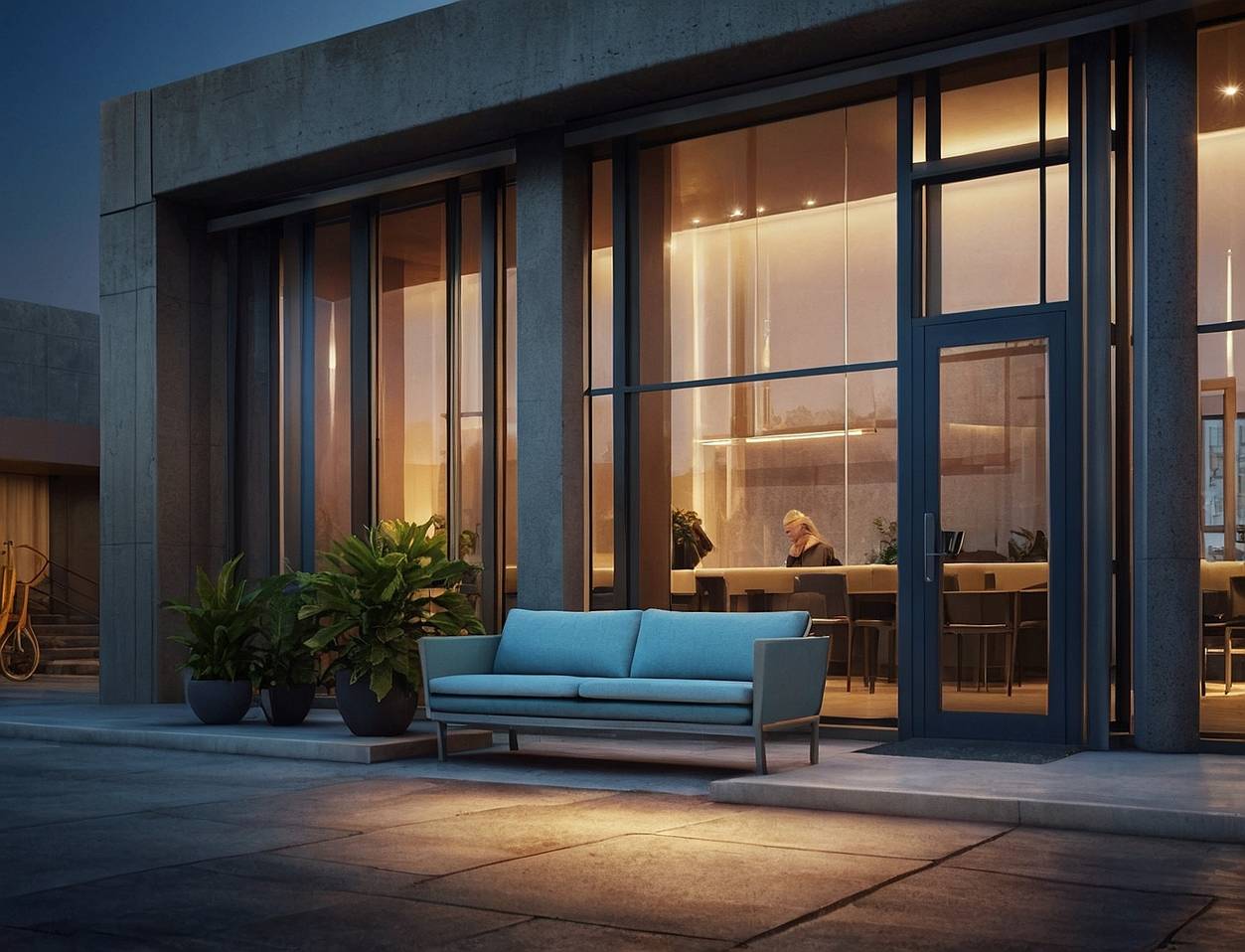
Achieving an uncluttered aesthetic starts with the foundational element of selecting core pieces that anchor a room. Allowing space for each piece to express itself is paramount—this could mean allowing a meticulously crafted wooden table or a uniquely vibrant sofa to be the focal point, drawing attention without overwhelming. The placement of larger furnishings should guide the flow of movement within a room, ensuring navigability as a priority over sheer number of pieces. A sofa, for example, placed thoughtfully away from a wall can create an intentional area that invites conversation without dictating movement. Selecting multifunctional pieces, like ottomans with storage inside or expandable dining tables, also adds a layer of flexibility crucial for both small contours and expansive spaces. This approach encourages dynamics throughout a room, sparking visual interest while adhering to practical use. The trick lies in subtlety; fewer items mean each selection becomes more significant and can naturally harmonize with the room’s other elements, including lighting, color, and texture.
When it comes to maximizing a room’s openness, thoughtful consideration of smaller accents and decorative accessories is crucial. Here, minimalism serves not only as an aesthetic choice but as a guiding tool to eliminate nonessential visual clutter. Selecting a color scheme and sticking to it helps unify the room’s entire decor and builds cohesion without chaos. Art and decor should echo the room’s overall theme, which can be done by repeating shapes, materials, or colors in limited but impactful touches—such as a green plant in a textured pot placed near a piece of green-toned artwork. Respecting boundaries in decoration reminds us that empty space is just as important as filled space—it frames and emphasizes your artful displays rather than detracting from them. Often, it is these deliberately orchestrated spaces that invite curiosity, encouraging a closer appreciation of the room as a combined piece and living space. Engaging in occasional editing, where examining whether items have true importance or serve practical purposes, can also ensure that the room stays true to its minimal, yet meaningful design. This balance creates a delicate harmony, where beauty is not compromised over comfort, and simplicity is celebrated as the ultimate sophistication.